
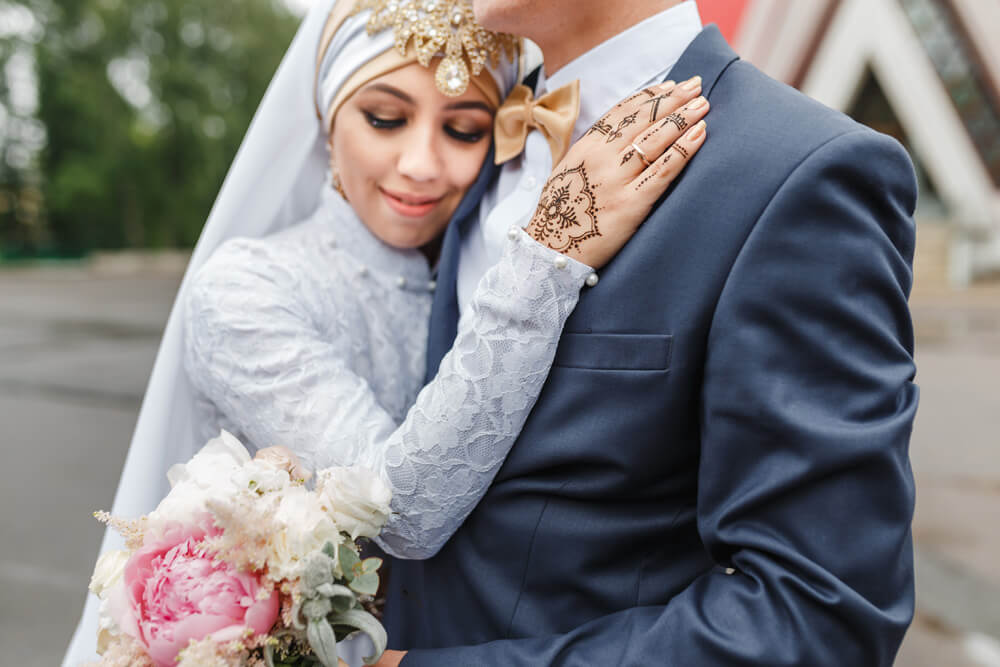
At Windows on the Water, we host diverse wedding celebrations, including traditional Nikahs and Islamic wedding ceremonies with varying customs. Our New Jersey waterfront venue creates a stunning backdrop for these meaningful ceremonies, and our team can help guide you through any questions about cultural expectations for the celebration.
What Are the Cultural Norms for Muslim Wedding Attire?
Muslim wedding guest attire emphasizes modesty and cultural respect through specific dress code guidelines. Muslim weddings are a celebration of the couple’s love and commitment to each other, and they are often steeped in traditional attire and cultural traditions. In many Muslim cultures, the wedding ceremony and reception are significant events involving not only the bride and groom but also their families and friends.
The ceremony is often preceded by a series of rituals and customs, including the exchange of gifts and the signing of the marriage contract. For example, in South Asian weddings, the bride and groom may exchange rings and garlands as a symbol of their love and commitment. It’s essential to respect these cultural norms and traditions when attending a Muslim wedding ceremony. Modest wedding attire for women should include a hair covering and loose-fitting clothing with full sleeves. Men should also dress modestly, avoiding revealing or tight-fitting clothing.
Color Considerations for All Guests
Unlike Western weddings, wearing black is perfectly acceptable and often elegant for Nikah guests. However, pure white should typically be avoided as it’s often reserved for the bride in many cultures. Additionally, red may be the bride’s color of choice in certain South Asian traditions.
Rich jewel tones and metallics are excellent choices for Muslim wedding receptions, which tend to embrace vibrant colors and luxurious details. Gold, silver, emerald green, royal blue, and deep purple all make stunning choices, aligning with the celebratory atmosphere of these festivities.
Women’s Attire for Nikahs
Muslim weddings blend religious traditions with cultural influences, resulting in diverse celebration styles. A popular traditional wedding attire choice for such occasions is the lehenga choli, a vibrant and attractive combination of a long skirt and a matching top, often favored in colorful variations. When choosing your Muslim wedding guest outfit as a female guest, consider the couple’s specific background, as practices can vary greatly between Arab, South Asian, Indonesian, African, or European Muslim communities.
Brides often select their wedding attire based on cultural influences, with common preferences including red lehengas and white dresses, reflecting the rich diversity in wedding traditions.
Modest Clothing Choices for Women
Modesty guidelines are the central consideration for women attending a Muslim wedding. When attending a Nikah ceremony in New Jersey or elsewhere, this typically means:
- Selecting outfits with sleeves covering at least to the elbows (full-length sleeves are ideal). Ensure both arms and legs are covered.
- Choosing necklines not reveal cleavage
- Wearing skirts or dresses falling below the knee (floor-length is preferable to cover the legs)
- Avoiding tight-fitting clothes highlights body contours
- Selecting fabrics not sheer or transparent
Some more conservative ceremonies might require women to cover their hair with a scarf. When in doubt, check with the hosts about their expectations, or observe what other women in the community typically wear.
Cultural Attire Options for Women
Muslim wedding receptions often celebrate vibrant cultural traditions through clothing. Depending on the family’s background, women might consider these beautiful wedding guest attire options:
For South Asian weddings, a modest salwar kameez (tunic with loose pants) or a saree draped conservatively works well. A lehenga-choli, which consists of a long skirt with a matching top, is also a popular choice. When attending Middle Eastern celebrations, an embellished abaya (long robe-like dress) or a modest evening gown with a matching wrap makes an excellent choice. West African Muslim celebrations frequently feature colorful traditional outfits made from local fabrics like brocade or wax prints.
Traditional garments are often adorned with unique designs and intricate decorations reflecting local customs and traditions.
If you’re unfamiliar with these cultural garments, a modest Western formal dress with appropriate coverage remains a respectful choice. Floor-length gowns with sleeves or elegant pantsuits paired with a beautiful scarf can work wonderfully. Silk dresses paired with heavy pullovers are ideal for enhancing the overall aesthetic, especially during significant wedding celebrations.
Accessories for Women
The right accessories can elevate your Muslim wedding guest outfit while maintaining modesty. Women should opt for accessories that enhance their appearance and comfort, considering these guidelines when completing their look:
If the wedding will take place in a mosque or if the couple has requested it, bring a scarf to cover your hair. Even if not explicitly required, having a beautiful pashmina or light wrap serves dual purposes – it can cover your hair if needed and provide modest coverage for shoulders or necklines.
For jewelry, Muslim weddings often feature opulent celebrations where elegant pieces are appropriate. Statement earrings, intricate necklaces working with modest necklines, and beautiful bangles all complement traditional attire beautifully. Balance is key – if your outfit features heavy embellishment, choose more subtle jewelry.
Closed-toe shoes are generally more appropriate than open-toed styles for conservative Muslim weddings. Elegant flats or moderate heels work well, especially considering you may need to remove your shoes when entering prayer spaces.
Men’s Attire for Nikahs
Men attending a Nikah or Muslim wedding reception also need to dress appropriately while respecting cultural and religious traditions, which often include wearing long pants. Though generally less restrictive than women’s guidelines, men’s wedding guest attire still requires thoughtful consideration.
It is important to choose suitable attire for the main event, such as silk dresses and heavy pullovers, to make a stylish impression during the main celebration.
Formal Attire Options for Men
For most Muslim weddings, men are expected to aim for formal or semi-formal attire offering modest coverage. Western-style suits in darker colors like navy, charcoal, or black are widely acceptable and appropriate. A well-fitted suit with a dress shirt and tie represents a respectful choice for most ceremonies.
In warmer weather or for less formal celebrations, dress pants with a long-sleeved button-down shirt and possibly a blazer create an appropriate alternative. Regardless of formality level, men should generally avoid shorts, t-shirts, or overly casual attire as these may be considered disrespectful.
Cultural Clothing Considerations for Men
Many men choose to honor the couple’s cultural background through their attire choices. For South Asian weddings, men might wear a sherwani (a long coat-like garment) or a kurta pajama (a tunic with loose pants). At Middle Eastern celebrations, a thobe (long robe) in a formal fabric with a ghutrah (head covering) might be appropriate if you’re comfortable wearing traditional attire from the Middle East.
If you’re unfamiliar with traditional garments, a well-tailored suit remains universally appropriate. When attending ceremonies in a mosque, men may need to cover their heads with a kufi (cap) or other appropriate head covering, so it’s wise to bring one or inquire ahead of time.
Color and Styling for Men
Unlike some Western wedding traditions, men attending Muslim weddings aren’t restricted from wearing black, which is often worn as an elegant and appropriate choice. However, very bright or flashy colors might draw unwanted attention.
Men should ensure their clothing is clean, pressed, and in good condition. Subtle patterns and textures can add interest to your outfit while maintaining appropriate formality. Ties, pocket squares, and cufflinks offer opportunities to incorporate colors that complement the celebration’s theme while keeping the overall look refined.
Tips for Attending a Muslim Wedding with Respect and Joy
To ensure a respectful and enjoyable experience at a Muslim wedding, it’s important to honor the cultural and religious customs involved. Dress modestly, avoiding revealing clothing, and respect any gender separation practices. If the ceremony is held in a mosque, remove your shoes before entering, and refrain from initiating physical contact with the opposite gender. Muslim weddings are often vibrant and joyful—feel free to ask questions or seek guidance from the hosts if you’re unsure about anything.
By approaching the event with respect, openness, and curiosity, you’ll contribute to a positive experience for everyone and create lasting memories. Understanding traditions—such as appropriate Muslim wedding attire—is just one way to celebrate meaningfully. At Windows on the Water, we work closely with couples to honor their heritage. Our scenic New Jersey waterfront venue provides a beautiful and welcoming setting for weddings of all cultures and backgrounds.
Planning Your Perfect Event at Windows on the Water
Celebrating a wedding is a significant part of life, filled with joyous moments and rich traditions. Our experienced team works closely with couples to honor their cultural practices while creating an unforgettable celebration. From accommodating specific Nikah ceremony requirements to helping with dietary considerations, we ensure every aspect of your wedding reflects your values and traditions.
Whether you’re planning a Muslim wedding or attending as a guest, understanding and respecting cultural traditions enhances the experience for everyone. For more information about our wedding services or to schedule a tour of our beautiful Millstone Township venue, contact Windows on the Water at (609) 208-9475 or through our contact form.