
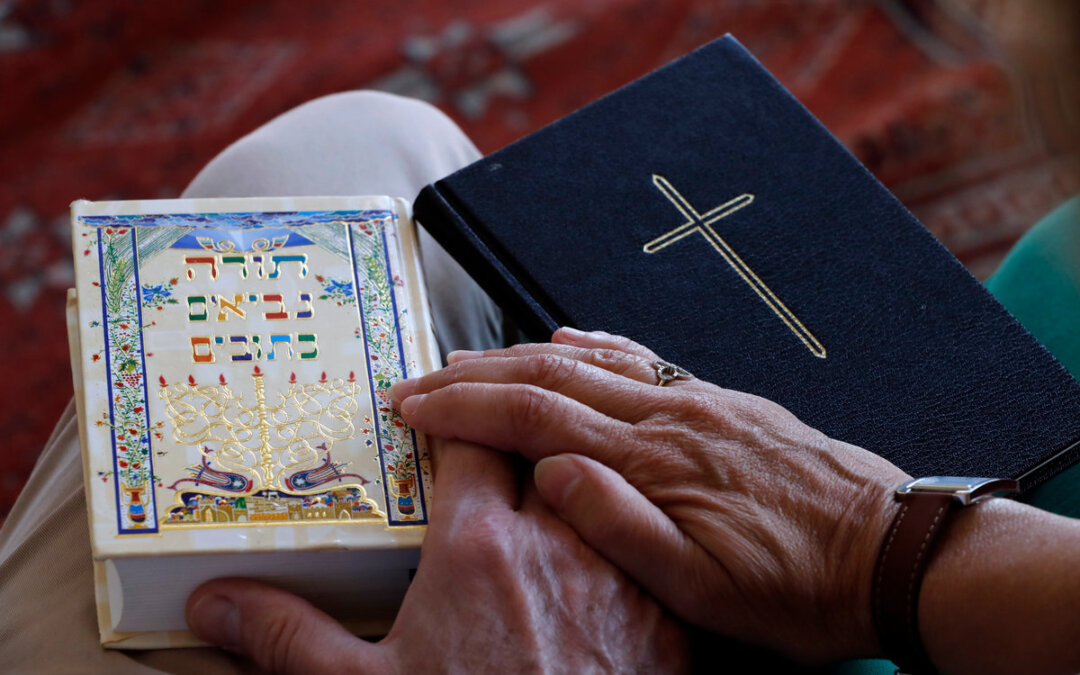
Blending two faith traditions into one meaningful ceremony requires thoughtfulness, respect, and careful planning. When you add the element of an outdoor venue to this already complex equation, you create both wonderful opportunities and unique considerations. Outdoor settings offer the flexibility and neutral ground that many interfaith couples seek, allowing you to honor both traditions without the constraints or associations that come with traditional houses of worship.
The beauty of planning an interfaith ceremony at an outdoor venue lies in its symbolism. Nature transcends religious boundaries and speaks to something universal that most faith traditions recognize and celebrate. Whether you’re combining Christian and Jewish traditions, Hindu and Catholic practices, or any other pairing, an outdoor setting provides a canvas where both backgrounds can be represented authentically and harmoniously.
Why Do Couples Choose Outdoor Venues for Interfaith Ceremonies?
Neutrality matters tremendously when combining two faith traditions. Religious buildings carry specific associations, symbolism, and energy that may make one partner or their family feel like guests in the other’s spiritual home. Outdoor venues level this playing field, creating a space that belongs equally to both traditions. This neutrality helps families from both sides feel welcome and respected from the moment they arrive.
Flexibility in ceremony structure becomes easier outdoors. Traditional houses of worship often have rules about what can and cannot happen during ceremonies, which religious leaders may participate, and how services must be conducted. Outdoor venues typically impose fewer restrictions, allowing you to craft a ceremony that truly reflects both faiths without compromising either tradition’s important elements.
Visual representation of both cultures flows more naturally in outdoor settings. You can incorporate ritual elements, decorative touches, and symbolic items from both backgrounds without worrying about conflicting with existing religious imagery or architecture. Your ceremony space becomes a blank canvas where you paint with elements from both traditions, creating something uniquely yours.
Many interfaith couples find that outdoor settings align with their spiritual values better than traditional venues. If you and your partner identify with the spiritual aspects of your backgrounds rather than institutional religious practice, nature provides a setting that feels authentic to your beliefs. The outdoors becomes a cathedral of its own, sacred in ways that resonate across different faith perspectives.
How Do You Incorporate Multiple Religious Traditions?
Start by identifying which elements from each tradition hold the most meaning for you and your families. You don’t need to include every possible ritual from both faiths. Instead, select the ceremonies, blessings, or symbolic acts that truly represent your values and heritage. This selective approach creates a cohesive ceremony rather than a disconnected collection of rituals that may confuse or overwhelm guests.
Consider the order and flow of your ceremony carefully. Some rituals naturally complement each other, while others may feel jarring in sequence. Work with your officiant or ceremony coordinator to arrange elements in a way that tells a coherent story about your union. Transitions between traditions should feel intentional rather than abrupt, with brief explanations helping guests understand the significance of each element.
Balance representation throughout your ceremony rather than dividing it into separate sections. While some couples choose a two-part structure with distinct portions honoring each tradition, others prefer weaving elements together throughout. Neither approach is inherently better, but fully integrated ceremonies often feel more unified and less like two separate events happening consecutively.
Involve religious leaders or spiritual advisors from both traditions when possible. Having clergy or officiants from each background participate demonstrates respect for both faiths and provides authenticity to the religious elements you’re incorporating. Some interfaith couples work with co-officiants who collaborate to create a ceremony honoring both traditions, while others choose a single interfaith officiant experienced in blending different religious practices.
What Practical Considerations Affect Interfaith Outdoor Ceremonies?
Timing requirements vary significantly across different faith traditions. Jewish ceremonies traditionally avoid Shabbat and certain holidays, while Catholic weddings have their own liturgical restrictions. Hindu ceremonies often require specific astrological timing, and Muslim weddings need to work around prayer times. When planning an outdoor interfaith ceremony, coordinate with religious advisors from both backgrounds to identify dates and times that respect both sets of traditions.
Weather contingency planning becomes even more important for interfaith ceremonies because they often run longer than single-tradition weddings. Multiple rituals, explanations for guests, and participation from various religious leaders all extend ceremony length. Your outdoor venue should have covered options or tent backup plans that can accommodate extended ceremonies comfortably.
Sound considerations matter more for interfaith ceremonies with multiple speakers and ritual elements. Outdoor acoustics can be challenging, and you want every guest to hear and understand the various traditions being honored. Quality sound systems with multiple microphones allow different officiants, family members reading passages, and the couple themselves to be heard clearly throughout the space.
Seating arrangements may need adjustment for interfaith ceremonies. Some traditions involve different family positioning, while others require space for guests to stand, kneel, or participate in specific ways. Discuss these needs with your venue coordinator to ensure your ceremony layout accommodates all planned rituals without awkward spatial constraints.
What Common Rituals Work Well in Interfaith Outdoor Ceremonies?
Unity ceremonies translate beautifully across faith traditions and work wonderfully outdoors. Sand ceremonies, candle lighting, tree planting, or water blending all symbolize two becoming one in ways that resonate regardless of religious background. These rituals provide meaningful moments that guests from all faiths can appreciate without requiring specific religious knowledge.
Readings and blessings from both traditions create natural balance in your ceremony. Alternating between passages from different religious texts, poems meaningful to each culture, or wisdom from various spiritual leaders demonstrates equal respect for both backgrounds. Choose readers from both families to further emphasize the joining of two traditions.
Traditional vows can be adapted to honor both faiths. Many couples write vows incorporating language, concepts, or values from both traditions, or they recite traditional vows from each background consecutively. This personal element becomes one of the most powerful moments in interfaith ceremonies, expressing your commitment through the lens of both your heritages.
Breaking bread or sharing food holds significance in many traditions and adapts well to outdoor settings. Whether breaking challah, sharing communion elements, or incorporating other food-related rituals from your cultures, these moments create powerful symbolism about nourishment, community, and the life you’ll build together.
Plan Your Interfaith Celebration at Windows on the Water
At Windows on the Water, we understand the unique beauty and complexity of interfaith ceremonies and provide the neutral, flexible outdoor setting where couples can honor both traditions authentically. Our 86-acre waterfront property in Millstone, New Jersey, offers stunning natural backdrops that complement any cultural or religious elements you wish to incorporate. As winners of the WeddingWire Bride’s Choice award and The Knot Best Of Weddings 2018, we’ve helped countless couples create meaningful ceremonies that celebrate their diverse backgrounds while bringing families together.
Our experienced team works closely with interfaith couples and their religious advisors to ensure every logistical detail supports your ceremony vision. From accommodating extended ceremony timelines to coordinating with multiple officiants and ensuring proper setup for various ritual elements, we handle the practical aspects so you can focus on the spiritual and emotional significance of your union. Contact us today to discuss your interfaith ceremony plans and discover how our beautiful outdoor spaces provide the perfect foundation for celebrating your love across traditions.